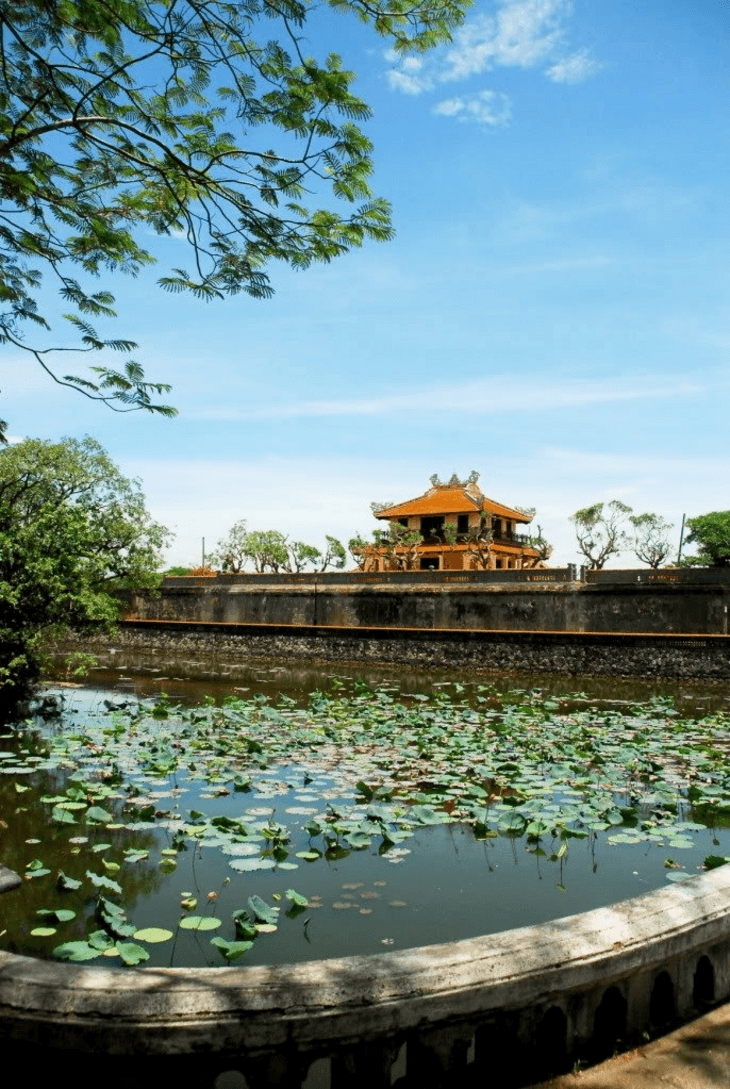
Huê, the former imperial capital of Vietnam, sits on a river floodplain in one of the country's wettest provinces. Parts of the city lie barely two metres above sea level, and heavy rain regularly causes flooding.
At the same time, Hue's historic garden houses, with their shaded courtyards and dense tree cover, are gradually disappearing as denser modern housing replaces them. For centuries, these gardens, along with the canals and lakes around the city's old Citadel, worked as a kind of built-in climate protection, cooling the air and holding back rainwater.
A project called GreenCityLabHuế, running from 2019 to 2027, set out to see whether that same logic could be revived and adapted to today's pressures of rising heat, heavier rain and fast urban growth. A new case study on the USE platform looks at how the project turned that idea into practice.
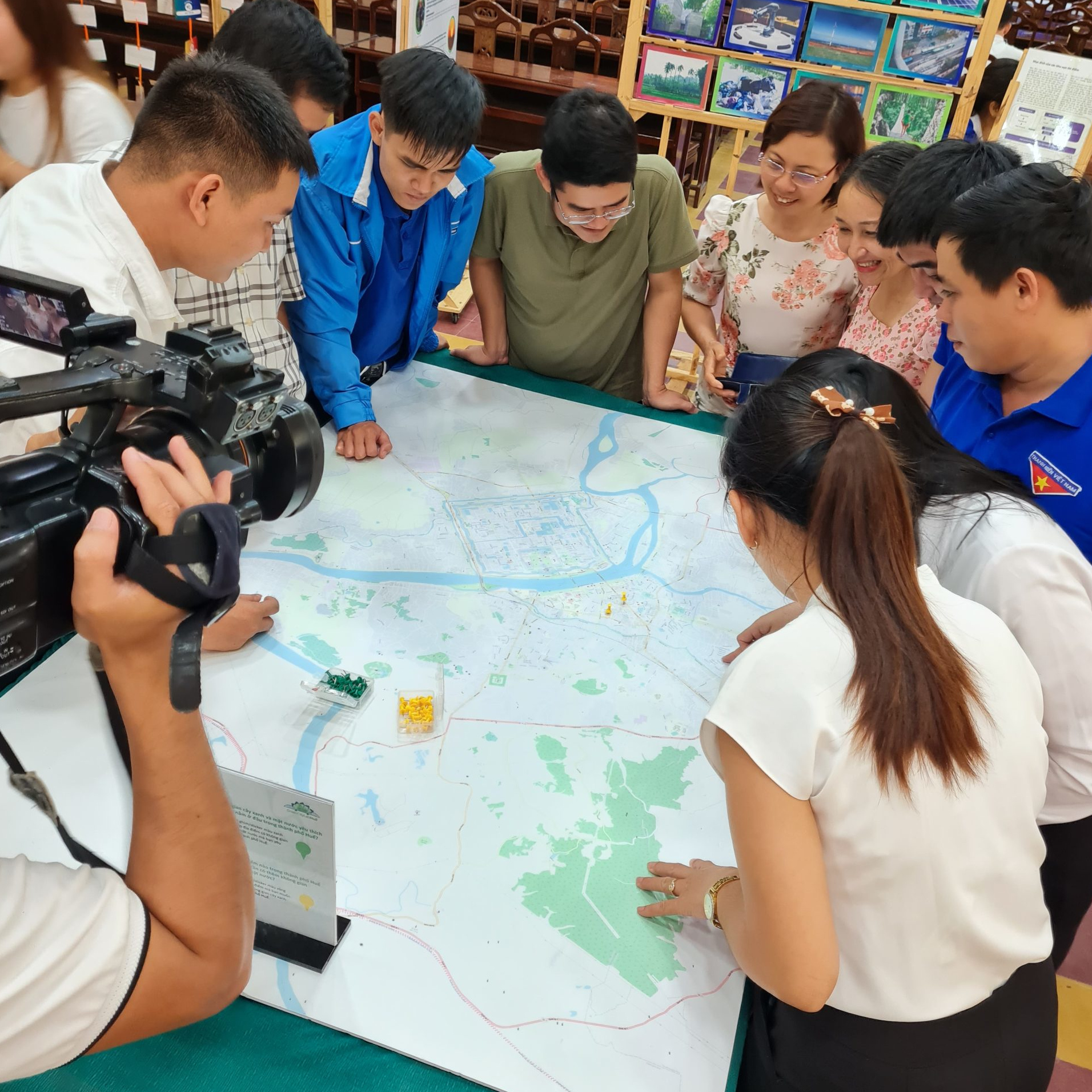
Led by the German-Vietnamese research consortium UfU, with partners including Humboldt-Universität zu Berlin, Hue University of Science and local institutes, the project began with a land-use assessment and a series of public roundtables in 2023 and 2024. From 2024, the team built four small pilot sites, including a greened roof and façade in Phú Hội and vertical gardens at a schoolyard in An Đông, alongside an upgraded public green space and a converted riverside brownfield site.
City-wide modelling identified where new green space would have the biggest effect, mostly in areas still under development, and the pilots showed that meaningful “green upgrades” are possible even on small plots and modest budgets. Indeed it becomes clear with this project that several small, well-placed green interventions across a city can do more for local cooling and air quality than a handful of large parks.
The findings have since been published in two publications: Green City Vision Hue and a Handbook on Green-blue Infrastructure for heat adaptation in tropical cities. The project is now in the implementation phase, developing landscape plans to serve as a model for other projects in the city, with the help of residents and a landscape architecture firm.
Find out more about the project by visiting the Case Study