More than 85 percent of residents in Bunia, a city in the Democratic Republic of Congo's Ituri Province, live in areas prone to flooding. Years of deforestation on the city's outskirts have worsened soil erosion, cut peri-urban farm yields by around 30 percent, and pushed local temperatures up by 3 to 5 degrees Celsius in built-up zones.
Bunia Builds a "Green Belt" against flooding and heat
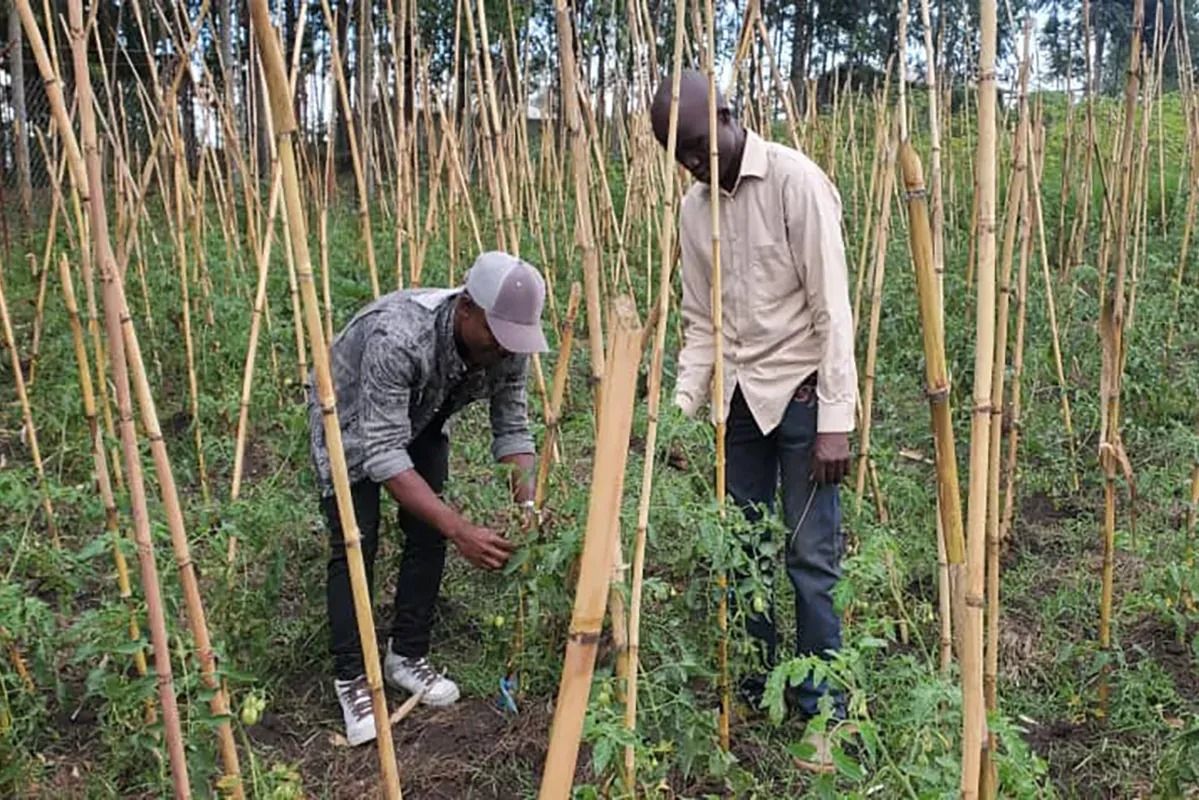
Since 2022, the City of Bunia has responded with a project called Bunia Climate-Shield: a 45-hectare green belt combining rain gardens, ecological corridors and agroforestry. The aim is to put vegetation at the centre of how the city grows, rather than treating it as an afterthought.
The programme has three parts. Ecological restoration has added more than 15,000 indigenous trees. Agroforestry and livelihoods work runs through twelve community gardens and three municipal nurseries, which now supply up to 30 percent of locally consumed vegetables and provide income for 600 families. Water management relies on five bio-engineered rain gardens, using local filtering plants to let rainfall soak into the soil; the project reports these have cut surface run-off by 40 percent in target areas.
75 green jobs have been created, mostly for young people, and a citizen-run digital platform lets residents report problems and track progress. Early setbacks, including high tree mortality and vandalism in community gardens, were addressed through adaptive planting and school-based environmental education.
The initiative is overseen by a steering committee including the municipal environment department, community leaders, youth associations and the UN Environment Programme, and has since been written into Bunia's 2025 Master Urban Development Plan.
Bunia Climate-Shield was a finalist in the AIPH World Green City Awards 2026 (Living Green for Water category) and won the AIPH Youth Award. A multilingual toolkit based on the project is already used by twelve neighbouring municipalities, and three cities, Beni, Goma and Butembo, have asked to exchange knowledge directly.
A new USE case study sets out how the project was built, financed and adapted over time, and what other cities might learn from it.