 © Erika Schmidt
More than 140 people joined the Urban Sustainability Exchange (USE) webinar on urban heat planning on 16 September, bringing together practitioners, researchers and climate adaptation professionals for a focused discussion on how cities can prepare for more extreme heat.
The session, “Cities are getting hotter: Key principles for urban heat planning”, featured Dr Sara Meerow, Associate Professor at the University of Colorado Boulder. Meerow set out seven principles for stronger heat planning, drawing on examples from cities including Phoenix, Arizona.
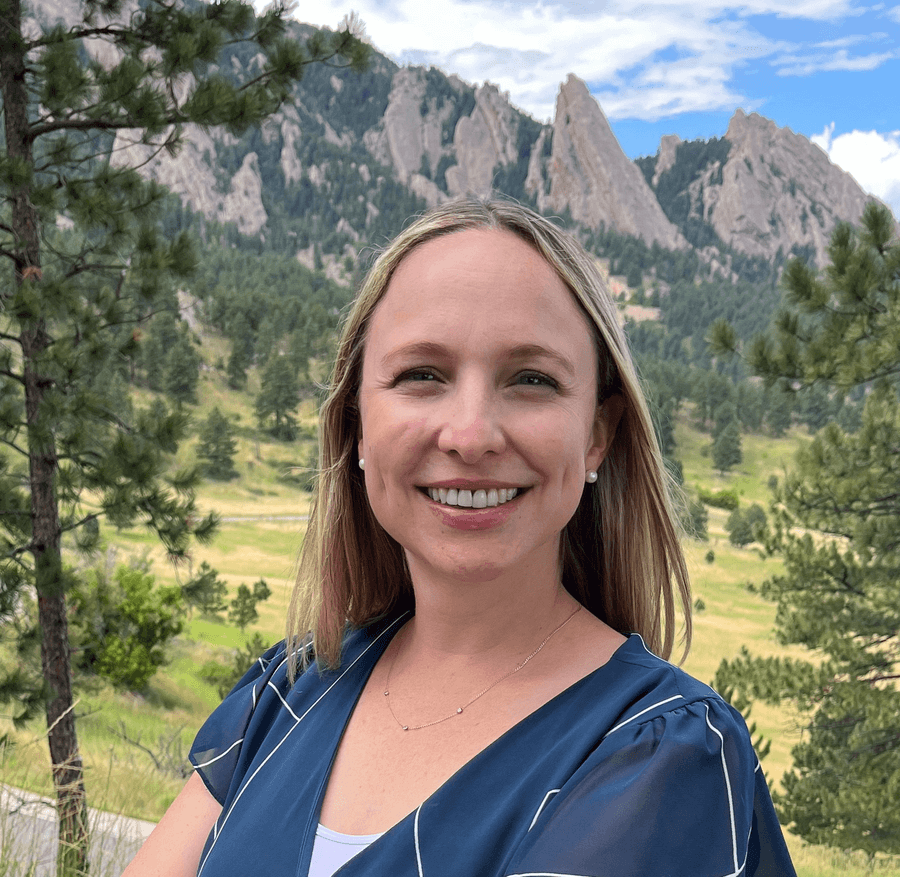 © Sara Meerow/NCAR
Meerow also stressed the importance of clear goals, a strong evidence base, coordination, inclusive participation, and ongoing monitoring and evaluation.
The discussion moved quickly from strategy to implementation. Topics included the challenges of measuring heat, the need to consider both indoor and outdoor exposure, financing, coordination across city departments, and how planners can better include Indigenous and diverse community perspectives. The one-hour session combined an expert presentation with a moderated Q&A, giving participants space to connect these issues with their own local work.
 © Jason McConnell-Leech
The webinar marked the start of USE’s six-month thematic focus on Urban Climate Adaptation and was also registered as an official event of Germany’s Week of Climate Adaptation.
Watch the full webinar recording on YouTube
Further resources from the session include Planning for Heat Resilient Communities, APA PAS Report, the Center for Heat Resilient Communities Toolkit, the Heat Action Plan Implementation and Evaluation Tool, and the Heat Governance Maturity Assessment.