“Cities also need cultural change, not just new tools.”
use:positions
Closing the Digital Divide
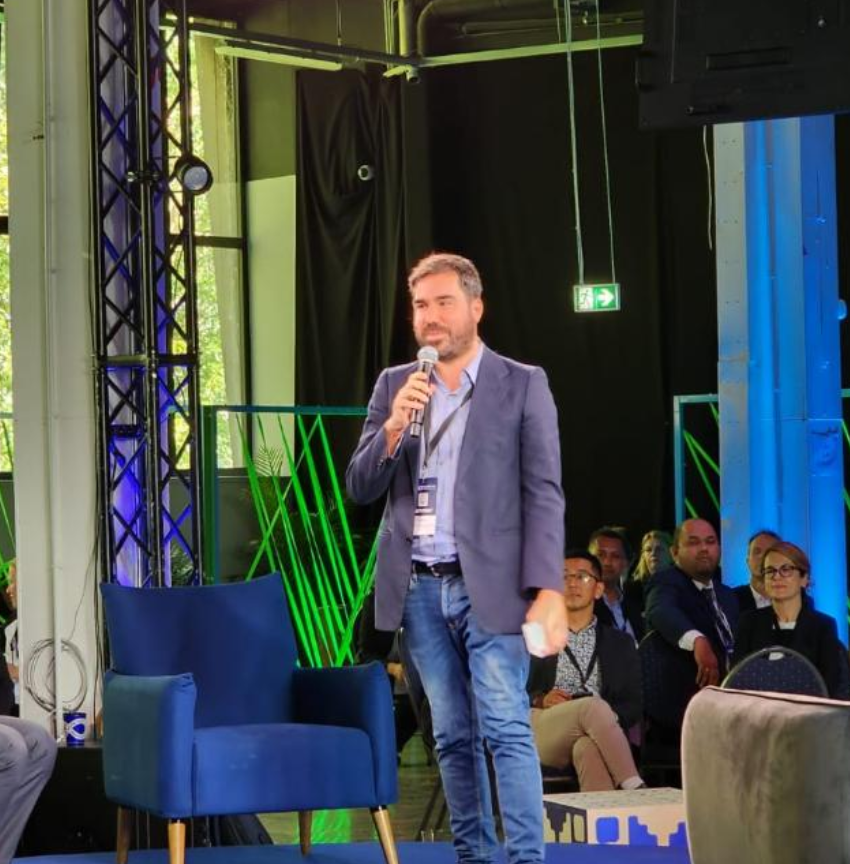
Digital democracy is reshaping how cities govern, participate, and protect rights in an increasingly connected world. Cities are experimenting with open-source platforms, rights-based digital policies, and new forms of participation to rebuild trust and ensure that no one is left behind in the digital transition. Yet deep inequalities in access, skills, and infrastructure still limit who can truly take part in digital democracy, making questions of inclusion and human rights more urgent than ever.
As part of our use: positions series, we interviewed Adrià Duarte, Coordinator of UCLG’s Committee on Social Inclusion, Participatory Democracy and Human Rights (CSIPDHR) and Coordinator of the Technical Secretariat of the International Observatory on Participatory Democracy (OIDP). We wanted to know how cities can use digital tools to broaden participation, tackle the digital divide, and embed human rights in every step of their digital transformation.
What do you see as the key opportunities and challenges for advancing digital democracy at the local level today?
Digital democracy is at a crucial moment. Cities have a real opportunity to use digital tools to broaden participation, renew trust, and involve people who are often excluded — young people, migrants, people with disabilities, caregivers or those with limited mobility. At the same time, key challenges remain.
The digital divide continues to block fair participation, and relying on private platforms can compromise public values such as openness, privacy and democratic control. Cities also need cultural change, not just new tools.
How can local governments use digital tools to foster close the digital divide, especially for marginalised communities?
Inclusive participation starts by asking who is not engaging and why. The most successful approach is hybrid: strong digital platforms combined with community-based outreach. This means participation points in libraries and neighbourhood centres, mobile teams in informal settlements, and mediators who support residents with language or literacy barriers. Platforms must be accessible, multilingual and designed for mobile and low-bandwidth use.
Cities need to invest in open-source tools, work with grassroots groups, run digital literacy programmes, and link digital engagement to concrete processes like participatory budgeting. When people see that their voice makes a difference, participation becomes meaningful.
Can you share a recent example of a local initiative that has successfully advanced rights-based digital transformation or tackled the digital divide?
Barcelona offers a powerful example of rights-based digital transformation: open-source tools such as the Barcelona Decidim platform, strong data governance and a clear commitment to privacy and transparency. The city shows that digital policy can be citizen-driven rather than market-driven. Cities can innovate in ways that are technologically advanced and fully aligned with democratic values
Another strong example is Montevideo’s Digital Inclusion Plan, which brings connectivity, devices and skills training to the city’s most excluded neighbourhoods. Through community tech centres and mobile classrooms, the city supports older adults, low-income families and residents with limited digital skills.
Montevideo shows that tackling the digital divide requires long-term investment and close collaboration with community organisations that understand local needs. The lesson is clear: cities must integrate infrastructure, skills and rights into one strategy, and work with community partners to build trust and reach residents where they truly are.
Looking ahead, what key actions or priorities should citymakers focus on to ensure digital innovation strengthens democracy and human rights? Are there potential risks or common pitfalls cities should avoid?
Cities should avoid treating technology as a shortcut to legitimacy, reinforcing inequalities, or adopting opaque AI systems that undermine rights. Digital transformation should be understood as a democratic project, grounded in inclusion and public purpose.
To ensure digital innovation strengthens democracy, cities must embed human rights into every digital policy — privacy, non-discrimination, accessibility, transparency and community oversight. Investing in public digital infrastructure, open-source platforms and ethical AI reduces dependency on private actors and aligns innovation with public value. Tackling the digital divide must remain a long-term priority: connectivity, affordability, devices, skills and trust all matter.
About Adrià Duarte
Adrià Duarte is the Coordinator of the UCLG Committee on Social Inclusion, Participatory Democracy and Human Rights (CSIPDHR) and Coordinator of the Technical Secretariat of the International Observatory on Participatory Democracy (OIDP), where he leads global work on strengthening human-rights-based local governance and innovative democratic practices. His work focuses on supporting cities to advance inclusive policies, deepen local democracy, and reduce social inequalities through rights-driven action. His work aims to strengthen the role of local governments as key actors in defending human rights, advancing social inclusion, and shaping a democratic digital transition rooted in public value.
Further reading:
- UCLG Committee on Social Inclusion, Participatory Democracy and Human Rights
- International Observatory on Participatory Democracy (IOPD)
- GOLD VI Report on Pathways to urban and territorial equality: Case-Based Contribution to Chapter 9: Democratizing by UCLG, the KNOW program, the IOPD and the CSIPDHR
- Decidim platform
Visit our Digital Democracy webpage to access case studies on initiatives being implemented in cities around the world to preserve and promote Digital Democracy.