“By 2030, ensure access for all to adequate, safe and affordable housing and basic services and upgrade slums” (SDG 11).
five approaches to
Housing for all
Adequate housing was recognized as part of the right to an acceptable standard of living in the 1948 Universal Declaration of Human Rights and in the 1966 International Covenant on Economic, Social and Cultural Rights. It is now included in many international treaties.
Access to adequate housing can be a precondition for the enjoyment of several human rights, including the rights to work, education, vote, health services, social security, and privacy.
Some groups or individuals experience difficulties exercising their right to adequate housing as a result of who they are, discrimination or stigma, or a combination of these factors. Such groups include women, children, slum dwellers, homeless persons, persons with disabilities, displaced persons and migrants and Indigenous peoples,
The impact of COVID-19 will be most devastating in poor and densely populated urban areas. This is especially true for the one billion people living in informal settlements and slums worldwide, where overcrowding also makes it difficult to follow recommended measures such as social distancing and self-isolation.
UN-Habitat, the UN agency for housing and urban development, is working with national and local governments to help them prepare for, prevent, respond to and recover from the COVID-19 pandemic. The UN Habitat COVID-19 Response Plan aims to:
- support local governments and community-driven solutions in informal settlements
- provide urban data, evidence-based mapping and knowledge for informed decision-making
- mitigate economic impact and initiate recovery
Below are 5 programmes on the use platform being implemented by local governments in partnerships with NGO’s, civil society and the private sector to provide housing in their cities.
Local governments have a key role to play in ensuring an adequate supply of housing as it is a catalyst for both social and economic growth and for the realisation of many human rights.
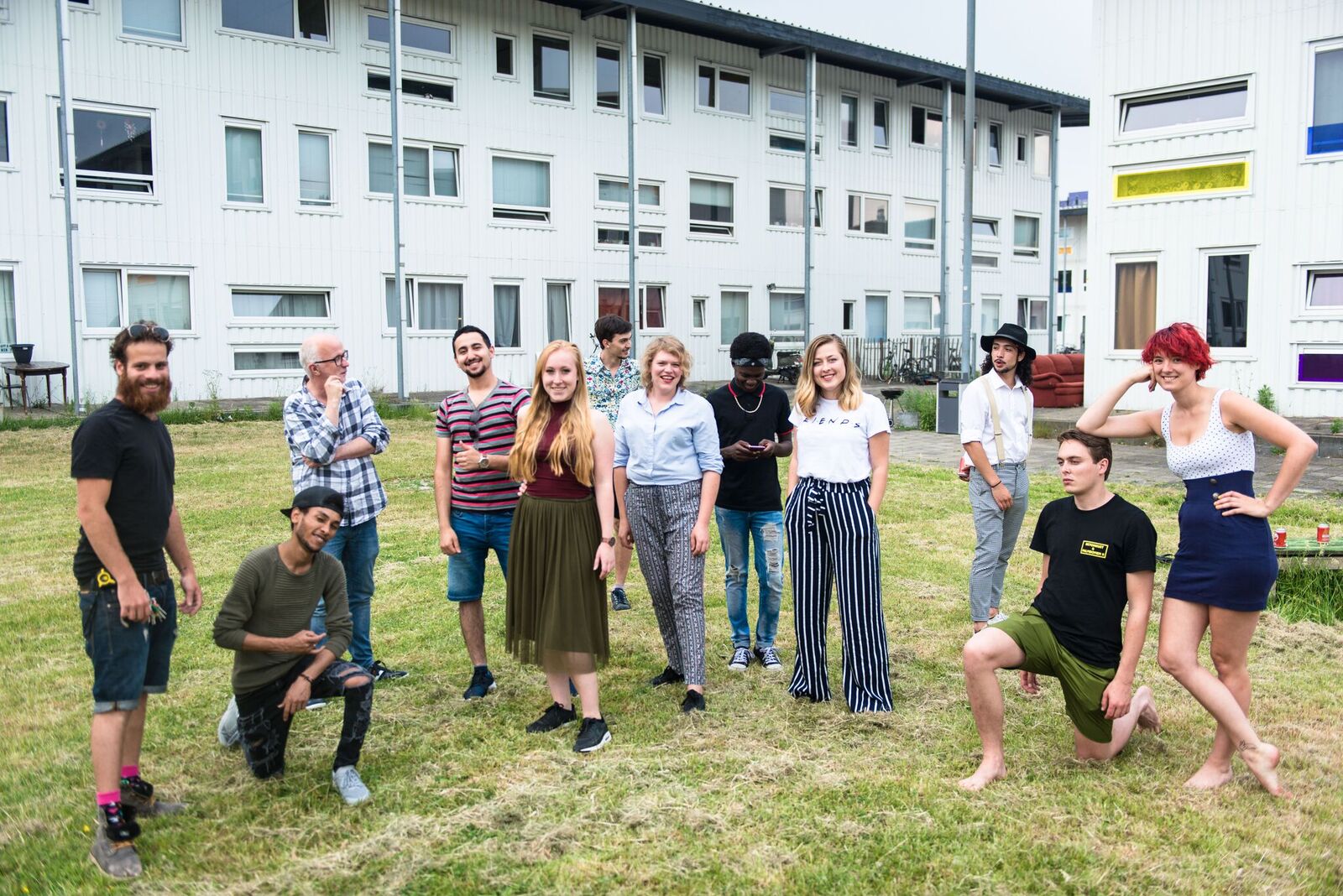
Startblok Riekerhaven - Amsterdam, The Netherlands
In 2015, the housing association, De Key, had a large number of modular housing units located within disused shipping containers from a previous development project. The Municipality of Amsterdam granted them access to use a former sports ground to house these containers/units and establish a temporary residential community. Startblok Riekerhaven is home to 565 young people, all between the ages of 18-27, in Amsterdam. Half the residents are Dutch, and half are refugees who have recently received their residence permit (status-holders).
use.metropolis.org/case-studies/startblok-riekerhaven
RUMAWIP - Kuala Lumper, Malaysia
RUMAWIP (Rumah Mampu Milik Wilayah Persekutan) is an initiative of Kuala Lumpur City Hall (KLCH) to help low and middle-income groups buy their first home. Through a cross-subsidy model, KLCH encourages the participation of the private sector in pursuing affordable housing through the development of density incentives and an exemption of charges based on RUMAWIP percentage. The regulated mixed development concept adds verve in developing affordable housing in the city, and support from the private sector greatly contributes to the success of the initiative.
use.metropolis.org/case-studies/rumawip
eKhaya: an urban regeneration project - Johannesburg, South Africa
Historically the eKhaya neighbourhood is known for high levels of unemployment, poverty, crime and population density. In 2004 eKhaya was designated as a Residential City Improvement District (RCID) and a Neighbourhood Improvement Program was implemented with the support of the City of Johannesburg and The Johannesburg Housing Company (JHC) together with other stakeholders including property management companies, property owners, property caretakers and tenants. The project demonstrates a bottom-up, community-led response to urban degeneration that puts emphasis on social capital as an essential element of urban regeneration.
use.metropolis.org/case-studies/ekhaya--an-urban-regeneration-project
Improvement without Barrier - Medellin, Colombia
Disabled people on low incomes face significant challenges. Poor access and inadequate housing mean they are often housebound and need constant support at home. The Improvement without Barriers (Mejoramiento Sin Barreras) programme focuses on advancing the living conditions of people with mobility difficulties by providing them with specifically designed bathrooms and improved access routes to their homes. This improves the quality of life for people living in some of the city’s poorest neighbourhoods.
use.metropolis.org/case-studies/improvement-without-barriers
Discus Housing First - Amsterdam, The Netherlands
Discus Housing First rents apartments to homeless people with complex and multiple challenges and supports them to adjust and rebuild their lives. It is based on the American model of Housing First that adapted and developed the ‘strength-based, client-led’ approach. This puts the client in control and focuses on their strengths, rather than their challenges. Clients are helped to maintain their home, and have other support, including psychological and social rehabilitation.
use.metropolis.org/case-studies/discus-housing-first
For more programmes and policies related to housing click the link.