Wiener Wäldchen: Mini Forests for Urban Climate Adaptation

Status
ongoing
50%
City

Vienna

Main actors

Local Government, City Government

Project area

Whole City/Administrative Region

Duration

Ongoing since 2021

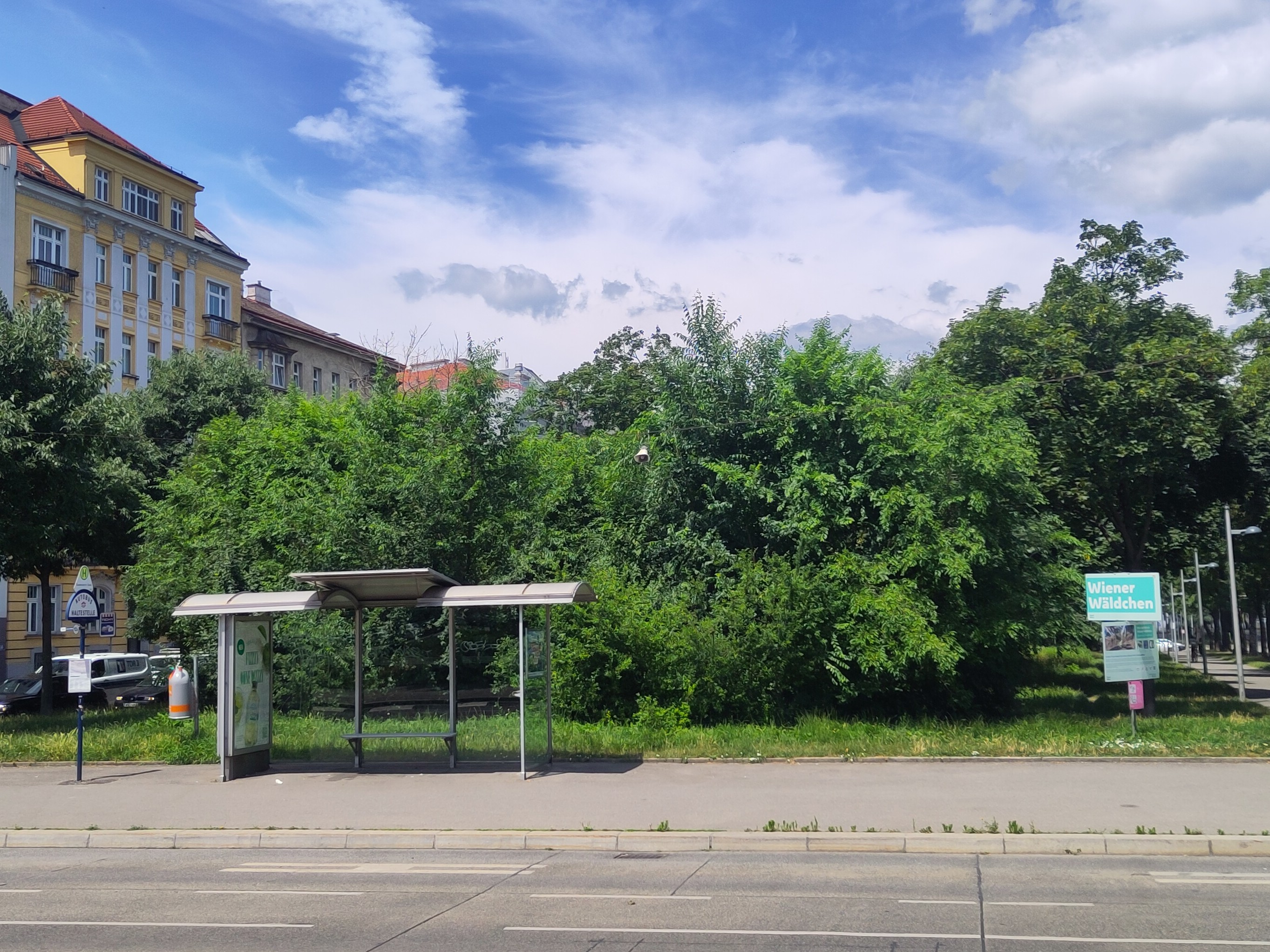
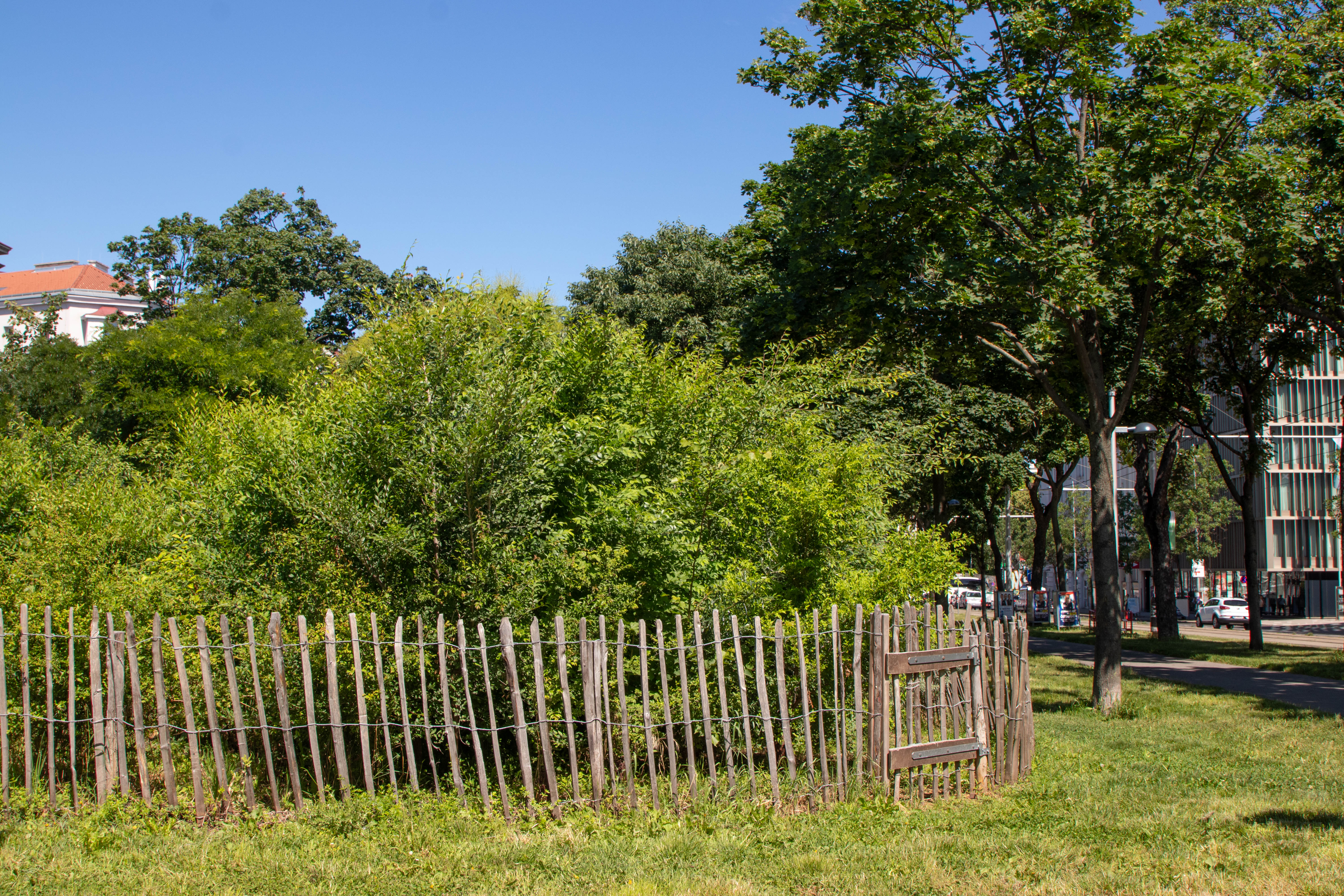
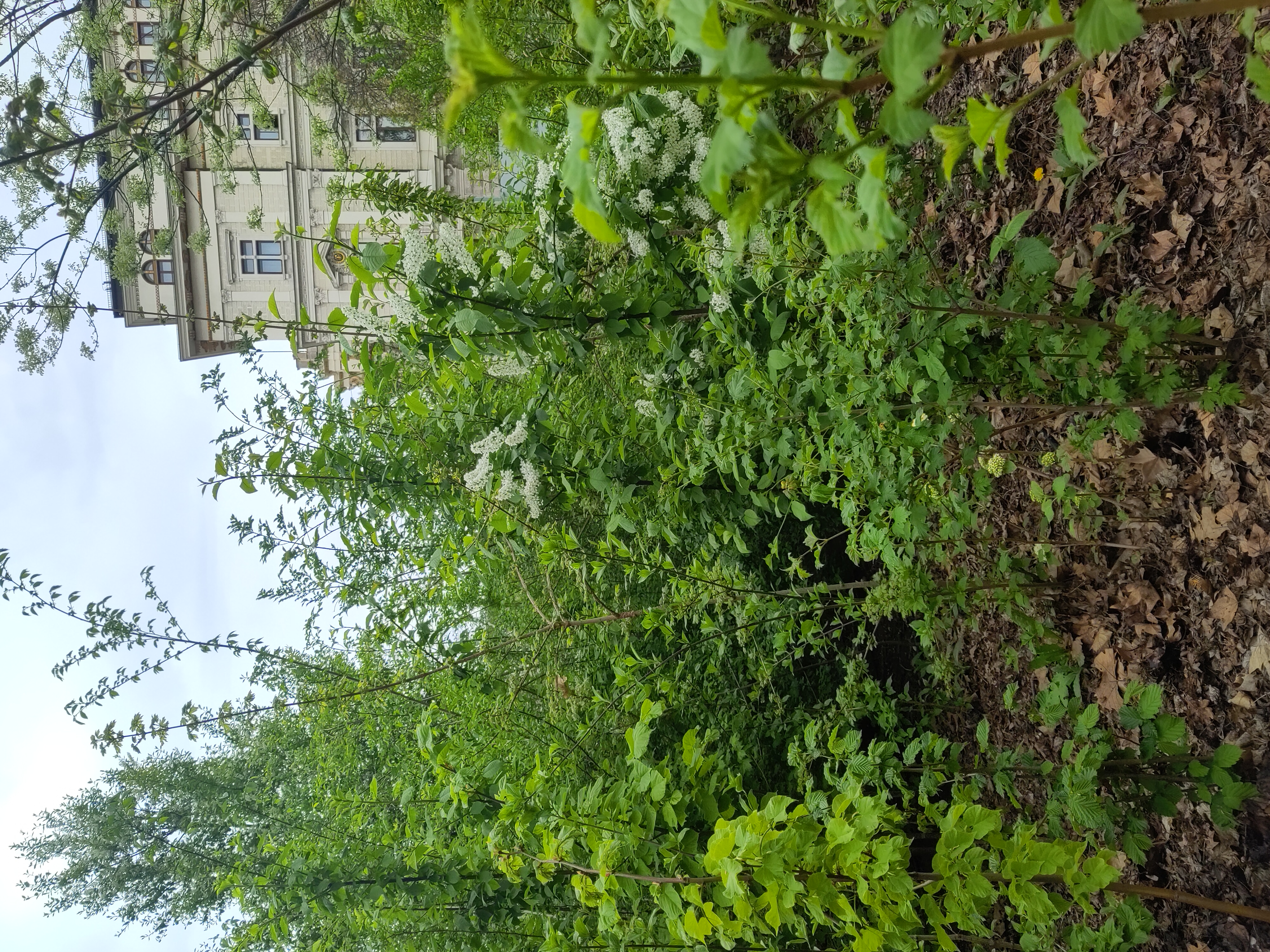
Vienna’s "Wiener Wäldchen" are small, dense and biodiverse mini forests planted according to the Miyawaki / Tiny Forest approach. Since 2021, the City of Vienna has used the model to turn residual green spaces, parks and public open areas into nature-based biodiversity islands.

The mini forests are designed to support several goals at once. They improve urban biodiversity, strengthen soil functions and rainwater retention, reduce soil warming, improve air quality and contribute to local cooling through shade and evaporative cooling as they mature. Planting events also involve schoolchildren, municipal staff and local representatives, making the measure part greening project, part environmental education.

Vienna now has 15 implemented sites and plans further expansion. The city presents the measure as one practical tool among many for adapting dense urban areas to heat while making more extensive, wilder forms of urban nature visible and accepted.
 

Sustainable Development Goals

Ensure healthy lives and promote well-being for all at all agesMake cities and human settlements inclusive, safe, resilient and sustainableTake urgent action to combat climate change and its impactsProtect, restore and promote sustainable use of terrestrial ecosystems, sustainably manage forests, combat desertification, and halt and reverse land degradation and halt biodiversity loss
City
Vienna, Austria
Size and population development
According to Province of Vienna 2020 statistics the Population of Vienna was recorded at 1,911,191. Since 2010 this represents the average annual growth at 1.1% The city covers an area: 414.9 km2 of which 50% are green spaces and bodies of water. The population density is 4,607 people per km2.
Population composition
The population of the city is comprised of 51.2% females and 48.8% males. The life expectancy for females is 83.4 years and males 78.6 years. The 0-14 age group is recorded at 14.6%, 15-64 at 68.9% and 65+ at 16.5%. The median age of all people is 41 years. Vienne is home to people from 184 different nationalities. Population by nationality Is comprised of Austria 69.2%, EU 13.4%, Other 17.4%. Top 5 nationalities are Serbia 4.1%, Germany 2.6%, Turkey 2.4%, Poland 2.3%, and Romania 1.9% Vienna is the second-largest German-speaking city after Berlin. The most practiced religions are Catholic 34%, unaffiliated 30%, Muslim 15%, Orthodox 10%, Protestant 4% and 6% other religions.
Main functions
The city of Vienna is located in north-eastern Austria and is the cultural, economic and political centre of the country. Vienna is host to many major international organisations, including the United Nations, OPEC and the OSCE. In 2001, the city center was designated a UNESCO World Heritage Site. In July 2017 it was moved to the list of World Heritage in Danger.
Main industries / business
Vienna is characterised by a strong economy that draws its strengths from high productivity and a highly qualified workforce in combination with low wage costs per unit of output. The city is home to over 200 multinational corporation headquarters. The most important business sectors are trade, scientific and technological services, real estate and housing activities as well as manufacturing of goods.
Sources for city budget
Political structure
Vienna is one of Austria's federal provinces, as well as the federal capital city and the largest municipality of the Republic of Austria.
Administrative structure
The 100 members of the Vienne City Council are at the same time members of the Vienna Provincial Parliament. The members of the City Council are elected by the people for a legislative period of 5 years, as provided for in the Regulations on Municipal Elections in Vienna. Elections are held based on universal, equal, secret and direct proportional representation. The City Council's function is to safeguard the interests of all members of the municipality. Its tasks include general supervision of the municipality, electing the mayor, the deputy mayors and the city councillors. The City Council adopts the municipal budget plan (i.e., the annual budget), approves staffing plans, and adopts the final balance. The Mayor is elected by the City Council, with a term of office equivalent to the City Council’s legislative period. The Mayor remains in office until a successor has been elected. The Mayor need not be a member of the City Council but must be eligible for it.
Website
http://www.wien.gv.at/english/
Vienna is growing and faces increasing pressure from urban heat, sealed surfaces and competing demands on public space. At the same time, many available spaces in dense neighbourhoods are small, fragmented or residual. The Wiener Wäldchen approach responds to this challenge by using compact, already unsealed green or residual areas for nature-based climate adaptation.

The main objectives are to:

  • create small biodiversity islands in the city
  • strengthen the network of urban habitats
  • improve soil functions, especially rainwater storage
  • reduce soil warming and support local cooling
  • improve air quality
  • bring near-natural green spaces closer to residents
  • involve children and young people in planting and learning about urban nature
  • show that wilder, more extensive green spaces can complement formal parks

The measure is not designed as a stand-alone solution to urban heat. It is one element in a wider set of climate adaptation and biodiversity measures.

The first Wiener Wäldchen were developed from 2021 onwards. The approach builds on the Miyawaki / Tiny Forest method, adapted to Vienna’s urban conditions and municipal structures.

Implementation usually follows these steps:


•    Suitable sites are identified, with a preference for existing unsealed green or residual spaces.
•    The soil and local conditions are assessed.
•    Soil quality is improved where needed through loosening, soil exchange or natural enrichment.
•    A dense mix of native or regionally suitable tree and shrub seedlings is planted.
•    The planting density is usually around 3 to 4 plants per square metre.
•    A Wiener Wäldchen is usually at least 100 square metres in size.
•    The area is temporarily fenced to protect young plants and support dense early growth.
•    In the first 2 to 3 years, the site is watered when needed, weeds are removed, mulch is used and the fence is checked.
•    After the establishment phase, the mini forest is intended to develop largely on its own, with little ongoing maintenance.

Participation is an important part of the model. Students from nearby primary schools plant trees and shrubs together with municipal staff and local political representatives. This creates local ownership and gives children a direct experience of urban nature.
The project required strong internal coordination at the beginning. Tiny forests did not initially fit neatly into one department’s responsibilities. A shared structure and regular dialogue between municipal departments were therefore essential. Once this framework was established, implementation became more routine.
 

The project is financed by the City of Vienna. The main resources are municipal staff time, site preparation, planting material, fencing, early-stage maintenance and coordination with schools and districts.
A realistic cost range for one Wiener Wäldchen is around EUR 5,000 to EUR 15,000. Costs depend strongly on the site.


Typical cost items include:
•    seedlings
•    soil assessment and preparation
•    soil removal or earthworks, where required
•    planting work
•    mulch and early-stage care
•    watering during the establishment phase
•    temporary fencing

Additional costs can arise if a site needs more complex preparation, irrigation infrastructure or extra equipment such as benches, drinking fountains or bins.
 

Vienna has implemented 14 Wiener Wäldchen so far, with further expansion planned. The existing sites are growing well, and first positive developments in biodiversity are already visible or measurable.

The measure delivers several combined benefits:

  • more habitat diversity in small urban spaces
  • stronger stepping-stone biotopes within the urban green network
  • better soil functions and rainwater retention
  • reduced soil warming
  • likely positive effects on local microclimates as the mini forests mature
  • improved access to near-natural green spaces in dense neighbourhoods
  • environmental education for schoolchildren
  • greater public visibility for wilder forms of urban nature

The project also has an important cultural effect. It shows that urban green does not always need to be highly manicured to be valuable, attractive and useful.

The main barriers have been institutional and spatial, rather than technical.

Key challenges include:

  • identifying suitable sites in dense urban areas
  • managing conflicts between different possible uses of public land
  • deciding which areas should be transformed and which should remain untouched
  • coordinating several municipal departments with different roles and priorities
  • creating a shared understanding of what a Wiener Wäldchen is and how it should be managed
  • communicating the value of wilder urban nature to the public

The early phase required substantial internal communication. Once roles, expectations and basic procedures became clearer, the approach became easier to repeat.

The Wiener Wäldchen model is highly transferable, especially for cities that want to create small nature-based climate adaptation measures on limited land.

Key lessons include:

  • Start with already unsealed sites where possible.
  • Build a shared internal structure before scaling.
  • Clarify maintenance responsibilities early.
  • Involve the municipal departments responsible for environment, parks, forestry and public space from the start.
  • Use locally appropriate tree and shrub species.
  • Communicate the measure as a biodiversity, soil, education and climate adaptation project, not only as a cooling measure.
  • Work with nearby schools to create local ownership and learning opportunities.
  • Be clear that the early maintenance phase is important, but that long-term care needs should be low.

The model can be adapted in size, shape and design. Cities can add seating or other equipment, involve different community groups in planting, or place mini forests in parks, squares, housing areas or other public green spaces. The basic principle remains simple: small spaces can deliver large ecological and educational value when they are planted densely, maintained carefully in the first years and then allowed to develop naturally.

External links / documents

On Map

The Map will be displayed after accepting cookie policy

Want to know more about this project?

use Content Manager
Berlin, Germany

use Content Manager

Individual | Content Manager of the use platform
use Content Manager
Berlin, Germany

use Content Manager

Individual | Content Manager of the use platform

Photo gallery

Related case studies

South African / Swedish partnership on air quality
Nelson Mandela Bay Metropolitan Municipality, South Africa

South African / Swedish partnership on air quality

The City of Gothenburg and Nelson Mandela Bay Metropolitan Municipality share experience and knowledge to improve their air quality.
Shijiuyang Ecological Wetland for Safe Drinking Water
Jiaxing, China

Shijiuyang Ecological Wetland for Safe Drinking Water

This practice ensures drinking water safety for residents and promotes continuous improvement in ecological and residential environments.
Addis Ababa, Ethiopia

Development of a sustainable transport system in Addis Ababa

Addis Ababa’s light rail and bus rapid transit project addresses the challenges rising from an ageing transport system combined with a fast-growing population to ensure a prosperous, equitable, and sustainable city for the future.